Research

From understanding the behavior of physical systems to developing intelligent models that predict it.

My research has evolved from mechanics, structural dynamics, vibrations, and control systems into Machine Learning, Physics-Based AI, and Computational Medicine.

ACADEMIC BACKGROUNDRESEARCH ACTIVE
Florida Atlantic University · USAIEEE · Springer · MDPIGoogle Scholar →
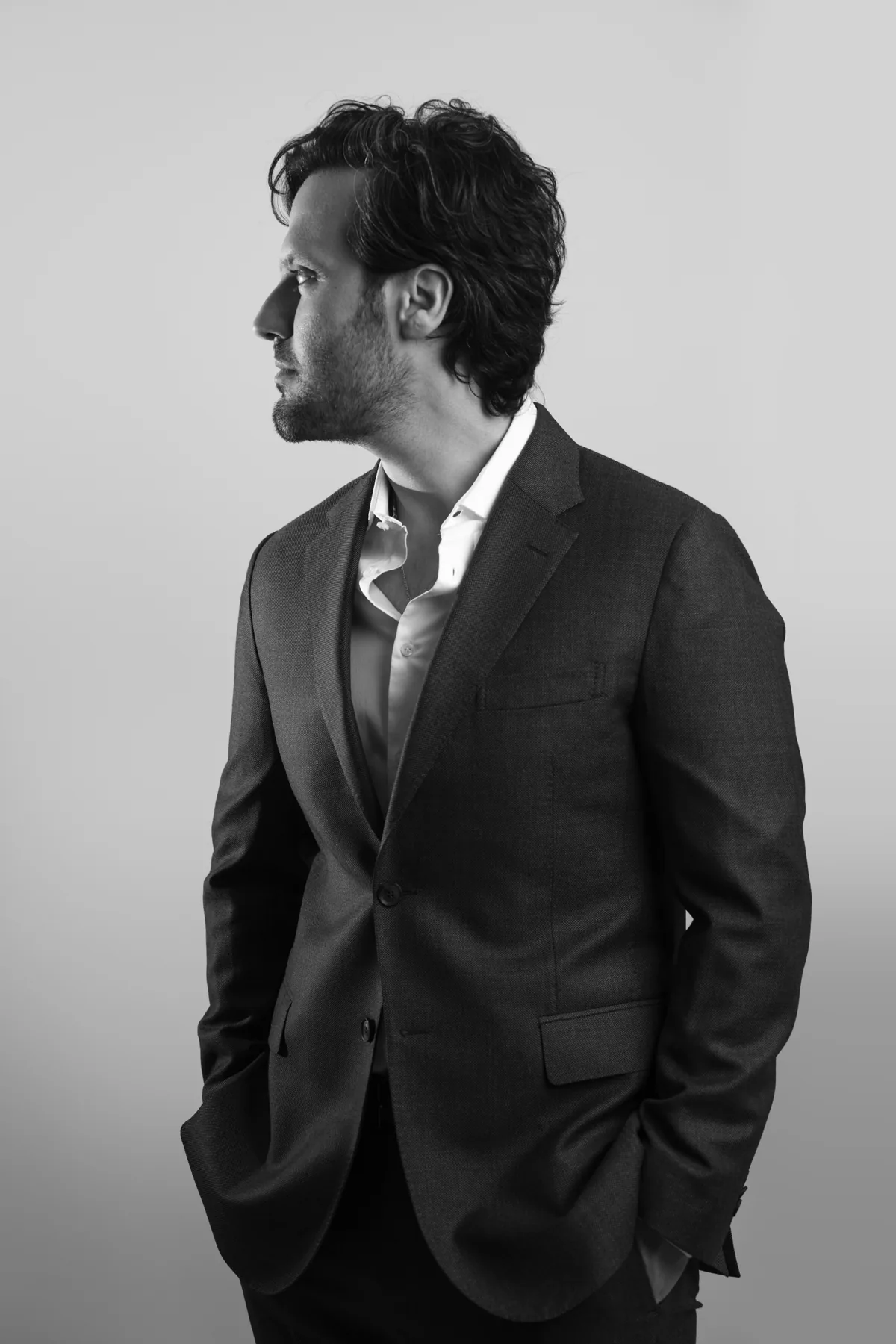
Dr. Amirali Hashemi
Engineering01

Mechanics. Structures. Vibrations. Control.

View Publication

My early research explored how mechanical and structural systems behave, respond and can be controlled.

My engineering research spans Solid Mechanics, Structural Dynamics, Vibrations, System Identification, Control Systems, Structural Health Monitoring, finite-element analysis and numerical prediction.

This work established the physical and mathematical foundation for my later research in artificial intelligence.

Selected Engineering Research02

Smart Active Vibration Control

View Publication

Research integrating structural dynamics, active vibration control, and piezoelectric materials to reduce vibrations and improve the dynamic response of rotating structures.

Smart Active Vibration Control System for a Rotary Structure Using Piezoelectric MaterialsSensors · MDPI
AI Transition03

From Physics to Prediction

View Publication

My doctoral research explored Machine Learning as a computationally efficient alternative to complex engineering simulations. Could intelligent models learn the behavior of physical systems and predict their responses without repeatedly solving the full governing equations?

By combining finite-element simulations, engineering principles, and Machine Learning, my research explored the development of surrogate models for predicting the dynamic response of complex structures. The objective was not merely to apply AI to engineering data, but to develop predictive models informed by the underlying physics and behavior of the systems they represented.

Physics-Based AI04

Physics-Based AI

Using Machine Learning and physics-informed surrogate models to predict complex structural responses from limited sensor data while reducing computational demands.

Applied AI05

AI Beyond Structures

View Publication

At Florida Atlantic University, my research expanded beyond mechanical and structural systems into sensor-based driver drowsiness detection and prediction, through externally funded research involving industry collaboration.

This research explored the use of sensor data and Machine Learning to identify patterns associated with driver drowsiness. It marked an important expansion in my research, from modeling the behavior of physical structures to analyzing complex physiological signals and human behavior. During the same period, my applied experience also extended to business analytics through projects associated with Toyota.

Computational Cardiology

My research in computational cardiology explores the potential of AI to estimate clinically meaningful cardiac parameters from physiological signals that are significantly easier to acquire.

What began as a scientific question is now progressing toward the development of practical healthcare technology, bridging computational research and real-world applications.

From research to platform

Computational Cardiology

Computational Cardiology

My research in computational cardiology explores the potential of AI to estimate clinically meaningful cardiac parameters from physiological signals that are significantly easier to acquire.

What began as a scientific question is now progressing toward the development of practical healthcare technology, bridging computational research and real-world applications.

The research investigates relationships between physiological signals - including peripheral pulse information - and cardiac measurements traditionally obtained through more involved assessments such as echocardiography. The program combines Machine Learning, clinical expertise and real-world medical data to determine whether these relationships can be modeled with sufficient reliability for meaningful cardiovascular applications. The research is also becoming the scientific foundation for a broader medical technology platform.

From research to platform

THE SYSTEMS CHANGED. THE QUESTION REMAINED.

Different disciplines. Different challenges. One scientific pursuit: understanding complex systems and predicting their behavior.

ENGINEERING & COMPUTATIONAL MODELING

ENGINEERING & COMPUTATIONAL MODELING

MACHINE LEARNING & APPLIED AI

MACHINE LEARNING & APPLIED AI

COMPUTATIONAL MEDICINE

COMPUTATIONAL MEDICINE